
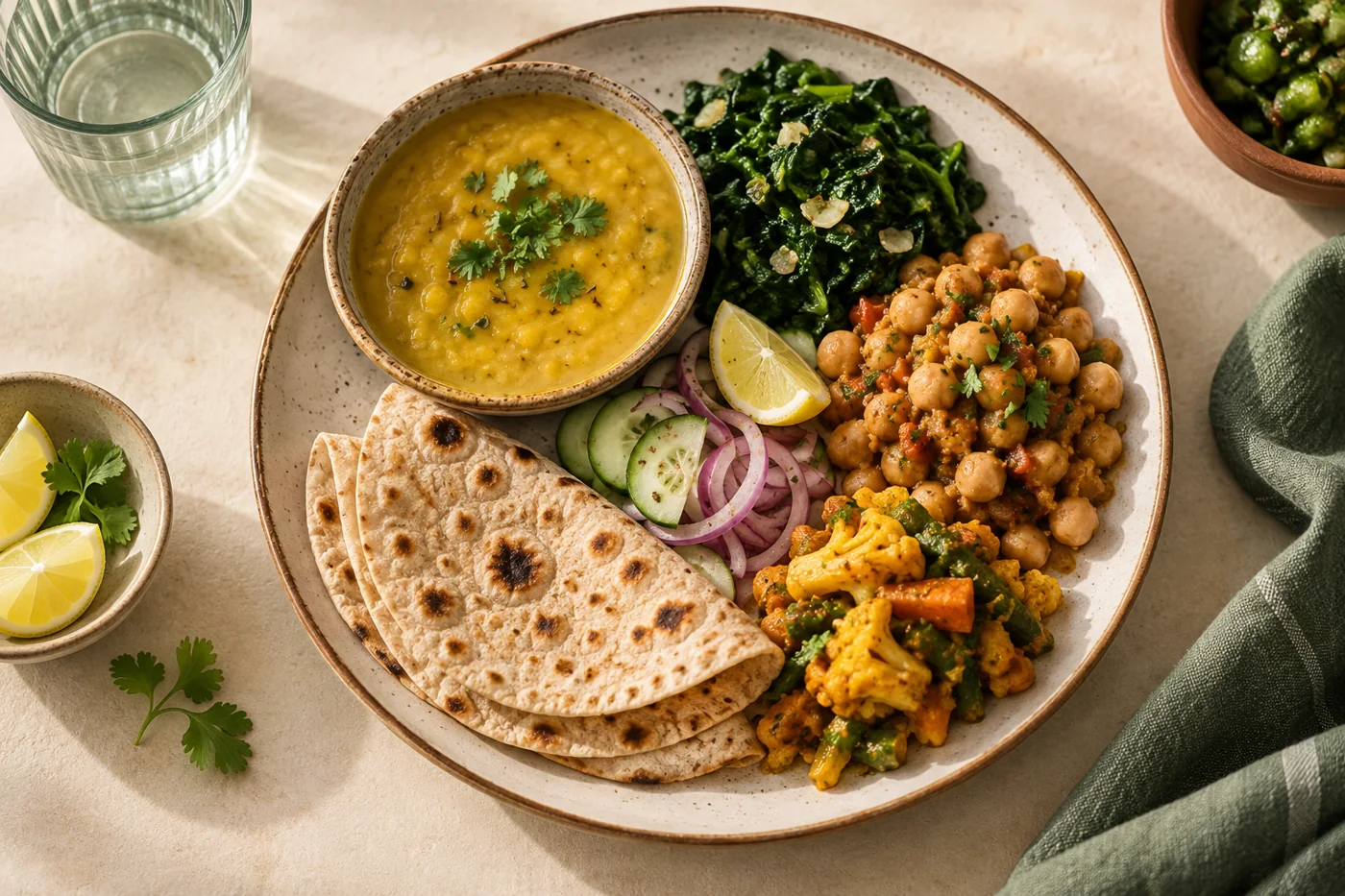
Healthy weight gain for women: a gradual, food-first plan
If you want to gain weight, aim for nourishment and strength rather than a rapid change on the scale. Start by asking why your weight is low or falling. Unintentional weight loss, a persistently poor appetite or difficulty eating needs attention before simply adding a weight-gain shake.
When to seek an assessment first
Speak to a clinician if weight loss is sudden or unexplained, eating feels difficult, or worries about food and body size are affecting your life. Mention digestive symptoms, medicines and changes in periods. A dietitian can help build a plan around your health, preferences and budget.
Add to familiar meals
Small, regular additions can be easier than forcing very large meals. Include protein foods such as dal, beans, curd, paneer, eggs, fish or meat according to your preferences. Nuts, seeds and suitable oils can add energy. A varied diet matters more than relying on sweets or sugary drinks.

Make eating practical
If long gaps are the problem, keep a snack ready for work or college. Examples include curd with fruit, a paneer sandwich or a nut spread on toast if you tolerate it. Choose additions you enjoy and can afford. A plan that requires cooking several separate meals is unlikely to fit a busy week.
Include strength and recovery
Appropriate resistance exercise can support muscle gain. If you are new to it, ask for guidance on technique and progression, particularly if you have pain or a medical condition. Weight gain does not need to mean stopping all movement. Rest and a workable meal routine belong in the plan too.

Review progress without pressure
Agree on a realistic follow-up with a dietitian or clinician. Notice appetite, energy and strength alongside weight. If the plan is not working, review it rather than adding unregulated “mass gainers” or appetite medicines. Pregnancy, breastfeeding, illness and adolescence need advice tailored to that stage rather than a general adult diet plan.
Questions you may have
Do I need a commercial weight-gain powder?
Not necessarily. Ordinary food may be enough; prescribed nutrition products can help in selected situations after assessment.
Should I aim to gain as quickly as possible?
A gradual, supported approach is usually more practical. The right target depends on why you need to gain weight.