
PCOD and PCOS symptoms: what to notice and how diagnosis works
Irregular periods, persistent acne and new facial hair can feel like separate problems. Sometimes they occur together in polycystic ovary syndrome, or PCOS. “PCOD” is a term commonly used in India; ask your clinician which diagnosis they mean rather than assuming the two labels describe neatly separate diseases.
Symptoms worth bringing up
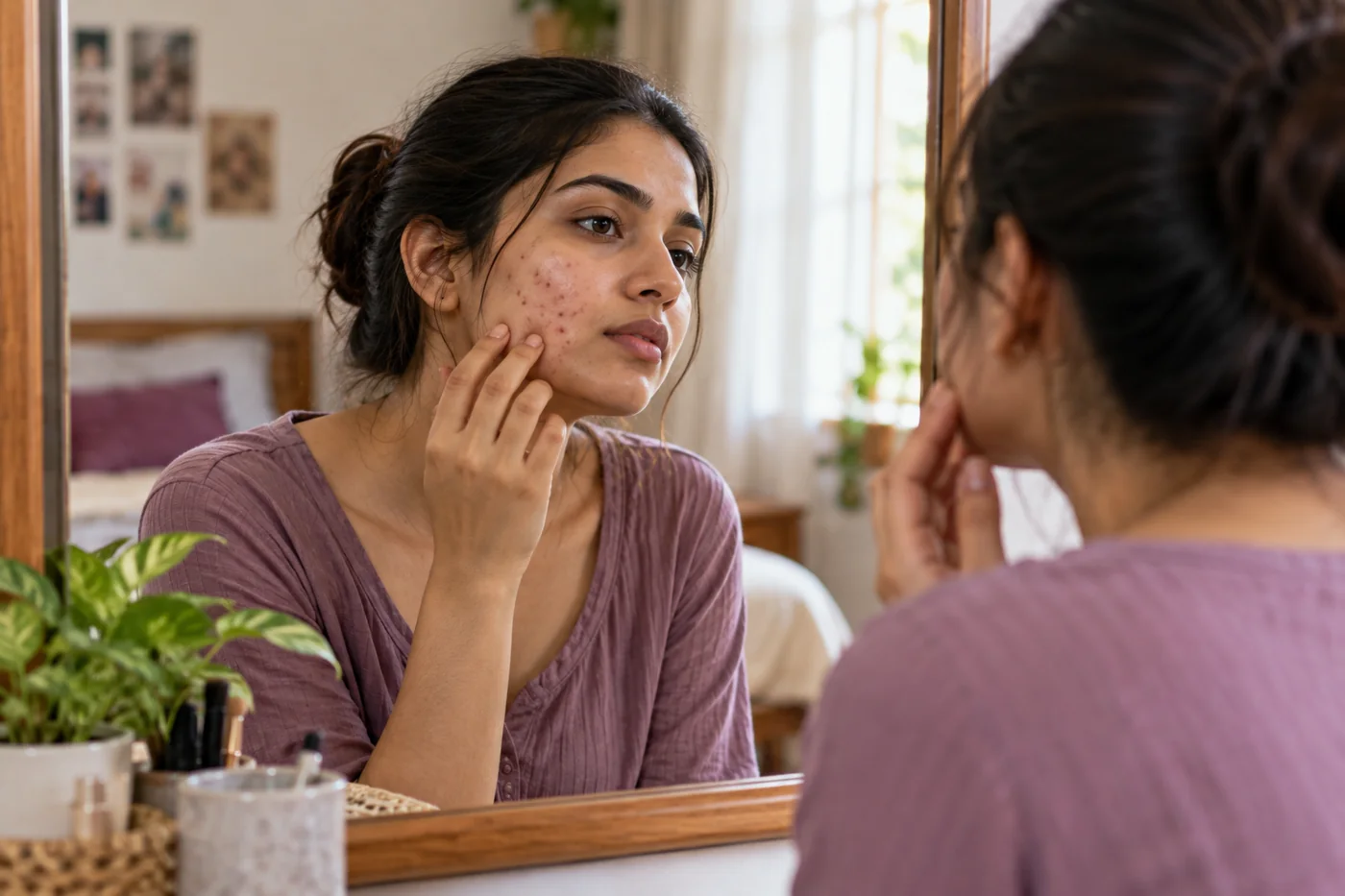
PCOS can involve irregular or absent periods, increased facial or body hair, acne and thinning scalp hair. It can affect ovulation and fertility. People experience different combinations of symptoms, and weight alone cannot tell you whether you have PCOS. An ultrasound report is also not the whole diagnosis.
How clinicians approach diagnosis
In adults, diagnosis generally looks at menstrual or ovulation problems, signs of raised androgen activity and the appearance of the ovaries, after other explanations have been considered. Not everyone needs every test, and not everyone with PCOS has ovarian cysts. Adolescents need particular care because normal puberty can overlap with some features.
Treatment follows your goals
Care might focus on periods, skin symptoms, metabolic health or trying to conceive. There is no single cure that removes every aspect of PCOS, but symptoms and longer-term health risks can be managed. Healthy eating and enjoyable physical activity can be useful even when the number on the scale does not change. Treatment decisions belong in a discussion about your priorities.
A better first appointment
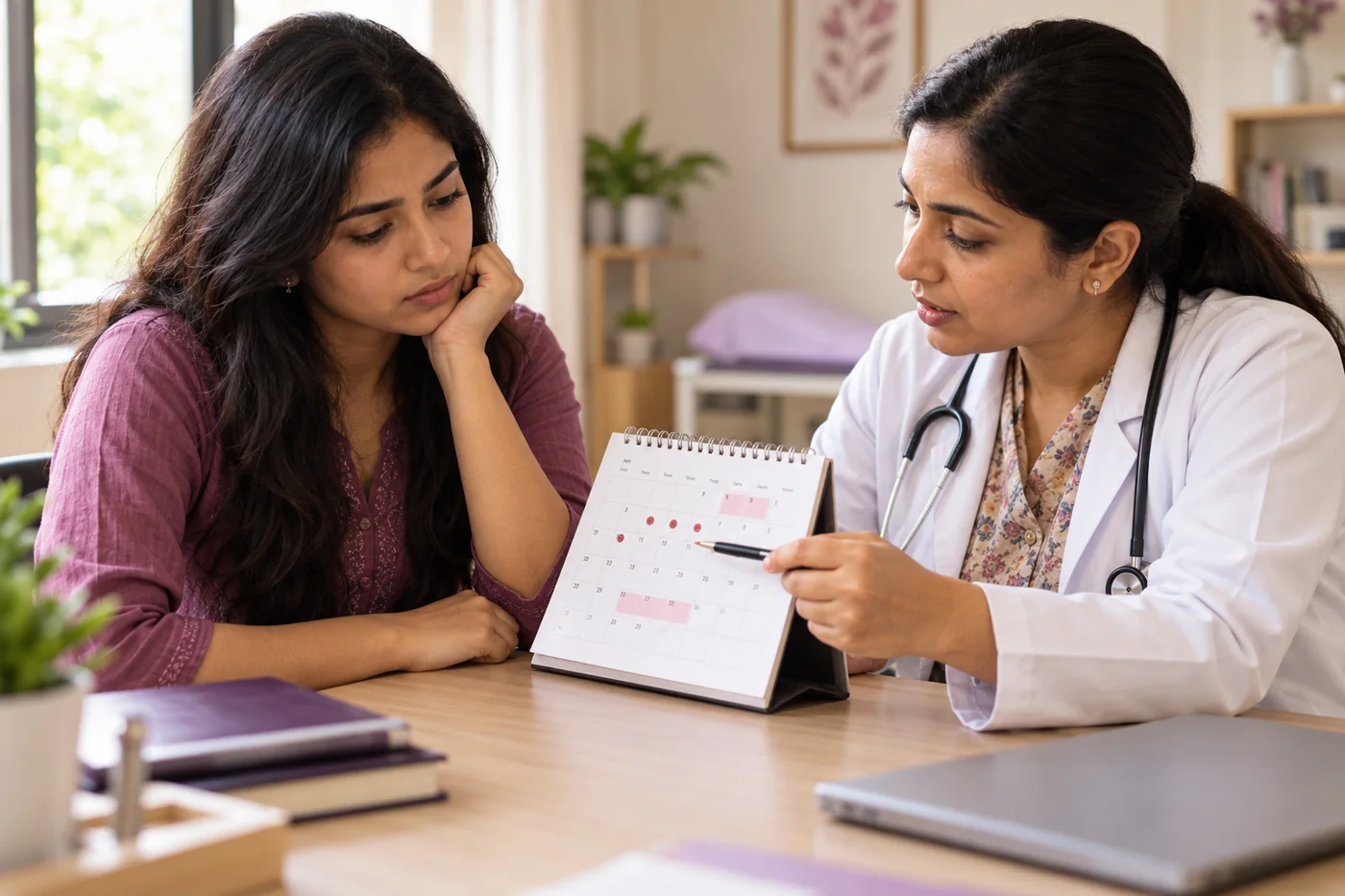
Bring dates for recent periods, a medicine and supplement list, relevant blood reports and questions about symptoms that bother you most. You might ask: “Do I meet the diagnostic criteria?”, “What else could explain this?” and “How will we know the treatment is helping?” If pregnancy is your goal, say so before treatment is selected.

Avoid the quick-fix cycle
Be cautious with “PCOD reversal” packages, restrictive diets and supplements promising a guaranteed pregnancy. A useful plan has a clear aim, follow-up and an explanation of possible side effects. You deserve support for how symptoms affect confidence and everyday life, as well as for the test results.
Questions you may have
Can PCOS happen without visible cysts?
Yes. Ovarian cysts are not essential in every adult diagnosis; the full clinical picture matters.
Can I still become pregnant?
Many people with PCOS do become pregnant, sometimes with treatment. Your clinician can discuss ovulation and fertility care without promising an individual outcome.